When to Call an Emergency Dentist Beverly Hills for a Broken Tooth

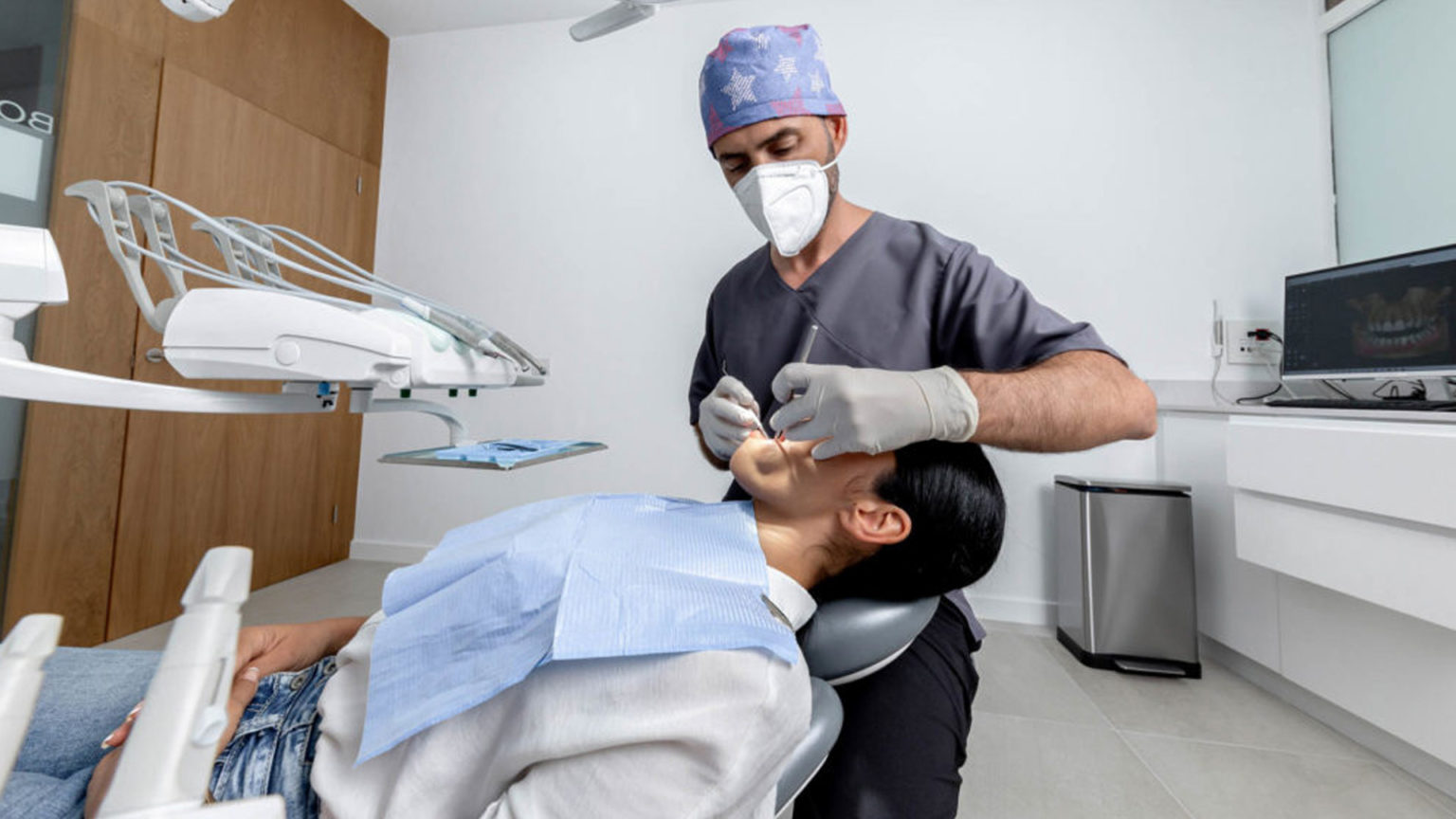

A broken tooth can look minor at first glance and still turn into a painful, expensive problem by nightfall. I have seen people walk around for two days with what they called "just a chipped corner," only Emergency Dentist Beverly Hills to learn that the crack had exposed the inner tooth and triggered an infection. I have also seen the opposite, a dramatic looking fracture that felt manageable because the nerve was not involved. The difference is not always visible in a bathroom mirror.
That uncertainty is exactly why timing matters. Knowing when to call an Emergency Dentist Beverly Hills is less about panic and more about judgment. Teeth do not heal the way skin does. Once enamel breaks, the tooth is more vulnerable to bacteria, pressure, temperature changes, and further fracture. What looks like a rough edge after lunch can become severe pain after dinner, especially if the bite shifts or the crack deepens.
Beverly Hills patients often ask the same practical question: is this something I can watch for a day or two, or do I need urgent care now? The answer depends on the size of the break, the presence of pain, whether the nerve may be exposed, and whether the injury affects your ability to bite, speak, or control bleeding. The details matter.
Not every broken tooth is the same
A broken tooth is a broad category. It includes tiny enamel chips, fractured cusps on molars, split teeth, broken fillings that leave tooth structure unsupported, and trauma that knocks out part of the crown. Those situations do not carry the same level of urgency.
A front tooth chipped while biting a fork often creates a cosmetic issue first. A back molar that loses a cusp may look less obvious, but it can create immediate functional problems because chewing pressure concentrates on that area. If the break reaches dentin, the softer inner layer beneath the enamel, cold air and water may start to sting. If the fracture reaches the pulp, where the nerve and blood vessels live, the pain can become intense and unpredictable.
One of the most common mistakes people make is judging severity only by the amount of visible damage. Small cracks can hurt more than larger breaks. Some deep fractures hide below the gumline, where they are impossible to assess without an exam and X-rays. Others involve an old filling or crown, which can make the remaining tooth weaker than it appears.
The moments when you should call right away
There are times when waiting is a bad bet. If a broken tooth comes with ongoing bleeding, facial swelling, fever, severe pain, trauma to the jaw, or a tooth fragment that appears to expose a red or dark center, the situation deserves prompt professional attention. Pain that wakes you from sleep is another red flag. So is a tooth that feels loose after impact.
Here are the clearest signs that you should contact an emergency dental office as soon as possible:
- severe or throbbing pain that does not settle
- visible crack or break with sharp edges cutting your tongue or cheek
- swelling of the gum, face, or jaw
- sensitivity so strong that cold air or water causes lingering pain
- difficulty biting down, or a bite that suddenly feels uneven
If any of those are present, calling an Emergency Dentist Beverly Hills the same day is the prudent move. Even if the pain eases after an hour, the underlying injury may still require immediate treatment to protect the tooth.
Pain tells a story, but not the whole story
Pain is useful, but it is not a perfect guide. Some broken teeth barely hurt because the fracture has not yet irritated the pulp. Others produce sharp pain only when you release pressure after biting down, a classic clue that a crack may be spreading through the tooth. Lingering pain after cold drinks often suggests the break is deeper than a simple enamel chip.
What makes this tricky is that the tooth can change quickly over the first 24 to 72 hours. Inflammation inside the pulp sometimes builds gradually. A patient may feel "fine enough" after the initial accident, then develop escalating sensitivity that evening. By the next morning, chewing on that side may be impossible.
A good rule from clinical experience is this: pain that is spontaneous, radiating, throbbing, or worsening deserves urgent attention. Mild tenderness from a tiny chip can sometimes wait for a prompt but nonemergency visit. Still, even mild symptoms should be monitored closely because fractures can propagate under normal chewing forces.
If the tooth broke after a fall, sports hit, or car accident
Trauma changes the equation. When a tooth breaks because of a direct impact, the dentist is not only looking at the visible damage. They are also assessing for root fractures, tooth displacement, ligament injury, and hidden damage to neighboring teeth. I have seen patients focus on the obvious front tooth chip while a nearby tooth, which looked intact, later darkened because the nerve had been injured in the same accident.
If the trauma involved dizziness, loss of consciousness, jaw pain, or difficulty opening and closing your mouth, medical evaluation may be necessary along with dental care. If a piece of tooth is missing and cannot be found, the dentist may consider whether it was swallowed, embedded in the lip, or simply lost at the scene.
In Beverly Hills, where many people are active, appearance conscious, and working on tight schedules, there can be a temptation to postpone care if the break seems mostly cosmetic. After trauma, that is risky. Early evaluation often makes the difference between a conservative repair and more complex treatment later.
What to do in the first hour
The first hour after a tooth breaks is about protecting the area and avoiding accidental worsening. Patients do best when they stay calm and handle the tooth gently. Scrubbing, pressing, or testing the break by repeatedly biting is a bad idea.
Take these immediate steps before you get to the dentist:
- rinse your mouth gently with warm water
- save any broken pieces in a clean container if you can find them
- use gauze for light bleeding and a cold compress on the outside of the face if there is swelling
- avoid chewing on that side and skip very hot, very cold, or sugary foods
- cover a sharp edge with dental wax or sugar-free gum if it is irritating soft tissue
Those steps are simple, but they help. Warm water keeps the area cleaner without adding temperature stress. Saving fragments can occasionally help the dentist assess the fit or, in select cases, bond a piece back temporarily. Cold compresses reduce swelling after trauma. Avoiding pressure matters because a partially cracked tooth can split further under a normal bite.
What should you not do? Do not glue the fragment back yourself. Do not place aspirin against the gum. Do not keep checking the tooth by touching it with your finger or tongue every few minutes. People do that instinctively, and it often increases irritation.
A chipped tooth versus a cracked tooth
Patients often use these words interchangeably, but they describe different problems. A chip usually involves a portion of enamel breaking away, most often from an edge or corner. It may feel rough and look obvious, but it can be relatively straightforward to repair with smoothing or bonding if the deeper layers are intact.
A crack is less predictable. It can run vertically, diagonally, or into the root. Sometimes the tooth looks nearly normal, but biting causes a sharp electric jolt. Cracks can be difficult to see without magnification, special lighting, or bite tests. They also tend to worsen over time because each chewing cycle places force on the damaged structure.
This distinction matters when deciding how urgently to seek care. A small chip without pain may not require a middle-of-the-night visit, though it still deserves attention soon. A cracked tooth, particularly one that hurts on biting or releases, often warrants same-day evaluation because early stabilization may improve the outlook.
When cosmetics are not "just cosmetic"
In a place like Beverly Hills, a broken front tooth can feel like an emergency for reasons beyond pain. For people in public-facing roles, entertainment, law, hospitality, sales, or media, visible dental damage affects confidence and professional presence immediately. That concern is valid. It is not vanity. A fractured front tooth changes speech, lip support, and the way a person carries themselves.
That said, a cosmetic concern can overlap with a functional emergency. Front teeth that chip from impact may also have hairline cracks, mobility, or pulp injury. Even when the break seems mostly aesthetic, prompt evaluation can prevent dehydration of the tooth structure, worsening sensitivity, and missed trauma-related complications.
A seasoned Emergency Dentist Beverly Hills will usually think about both appearance and biology at the same time. The goal on day one is often to relieve pain, protect the tooth, and restore a natural look well enough that the patient can function comfortably. Final cosmetic refinement may happen later, depending on the injury.
What the dentist is evaluating during an emergency visit
People often assume the appointment is simply about "fixing the chip." In reality, the emergency exam is diagnostic first. The dentist needs to know whether the nerve is involved, whether the root is intact, whether the surrounding bone and gum are injured, and whether the tooth can be predictably restored.
That assessment typically includes a visual exam, bite analysis, temperature or vitality testing, and X-rays. If the break is near or under the gumline, the dentist may probe the area or recommend additional imaging. In some cases, the most important finding is not the broken edge itself, but the pattern of the fracture. A clean enamel chip behaves differently from a tooth split down the center.
Once the picture is clear, treatment can range from smoothing and bonding to a crown, root canal therapy, or extraction if the fracture is not restorable. Most patients appreciate honest guidance here. There is no benefit in pretending a badly compromised tooth can be patched forever. Just as importantly, there is no reason to over-treat a minor break that can be managed conservatively.
Common treatments and what they mean
For a small chip, the repair may be surprisingly simple. Recontouring a rough edge can take minutes. Composite bonding can rebuild lost structure in a single visit and look very natural when done well. For moderate fractures, especially on teeth that absorb heavy bite pressure, a crown may be the safer long-term option because it redistributes force and protects the remaining tooth.
If the pulp is exposed or irreversibly inflamed, root canal treatment may be necessary before the tooth can be restored. That sounds intimidating to many patients, but the practical issue is straightforward: if the nerve is badly injured, removing the inflamed tissue can eliminate pain and preserve the tooth structure.
Then there are the difficult cases. A vertical root fracture or a break that extends far below the gumline may leave little predictable tooth to save. In those situations, extraction and replacement planning become part of the conversation. That is never the first choice, but it is sometimes the most honest one.
Experience matters here because treatment decisions involve trade-offs. A large bonding on a heavily loaded molar may be quicker and cheaper in the short term, but a well-designed crown might offer better longevity. On the other hand, Emergency Dentist Beverly Hills a front tooth with a small chip may not need aggressive preparation for a crown if direct bonding can preserve more natural enamel.
Temporary calm does not always mean the problem is over
One of the more frustrating things about broken teeth is that symptoms can fade temporarily. The nerve may settle after the initial insult. Soft tissue swelling can go down. The sharpness of the edge may seem less bothersome after a day or two. Patients understandably take that as a good sign.
Sometimes it is. Often it is just a pause.
A cracked cusp can stop hurting when you avoid chewing on that side, but the tooth remains unstable. A fractured front tooth can look acceptable in photos while the pulp slowly loses vitality. A broken molar can collect food and bacteria in places that are hard to clean, leading to decay or gum inflammation around the fracture line.
That is why delays create bigger repairs. What could have been managed with bonding may later need a crown. What could have been crowned may later require root canal treatment. And a tooth that might have been saved early can become nonrestorable after another hard bite.
Children, teens, and older adults need different judgment
Age changes the urgency and the treatment plan. In children and teens, especially when permanent front teeth are still relatively young, prompt care is important because the pulp can behave differently and preserving vitality may be more achievable when treatment happens quickly. Parents should not dismiss a chipped permanent tooth just because the child says it barely hurts.
Older adults often face a different set of issues. Teeth may have large existing fillings, wear, crowns, recession, or a history of grinding. When one of these teeth breaks, the visible damage may be only part of the story. I have seen older molars fracture around old silver fillings in ways that leave the remaining tooth walls extremely thin. Those cases can progress fast.
People with osteoporosis medications, diabetes, dry mouth, or extensive dental work may also need more tailored planning. An emergency visit is not only about stopping pain. It is about choosing the safest next step for that patient's broader health picture.
Nighttime breaks, weekends, and travel dilemmas
Broken teeth have a way of happening at the least convenient time, during dinner, before a flight, on a Saturday, or halfway through a business weekend. In those moments, people often want a bright line rule. The simplest version is this: if there is significant pain, swelling, bleeding, trauma, or a major change in the bite, do not wait for a routine weekday appointment.
If the tooth is chipped but comfortable, and the edge is not cutting anything, it may be reasonable to use temporary protective measures and schedule the earliest available dental visit. If you are leaving town within a day or two, it is often worth being seen before you go. Air travel itself does not usually harm a broken tooth, but being away from your regular care team while symptoms escalate is an avoidable complication.
A reliable Emergency Dentist Beverly Hills can help you sort this out over the phone based on symptoms, even before you are in the chair. Good triage questions often reveal whether the issue is primarily cosmetic, structurally risky, or suggestive of nerve involvement.
The cost of waiting is not only financial
People often postpone treatment because they are hoping to avoid an expensive procedure. Ironically, delay is one of the most common ways a manageable problem becomes more costly. But cost is not the only issue. There is also pain, lost work time, disrupted sleep, dietary restriction, and the mental drain of wondering whether the tooth will worsen during a meeting or a meal.
There is also the social impact. A broken front tooth can make a person avoid smiling, speaking up, or appearing on camera. A painful molar changes the way someone eats and can aggravate jaw tension on the other side as they compensate. These are not trivial side effects. They affect daily life in very practical ways.
A timely exam does not commit you to the most aggressive treatment. It gives you information. Once you know whether the tooth is chipped, cracked, infected, or structurally compromised, you can make a sound decision.
Choosing urgency with good sense
When people ask me for the shortest useful answer, I tell them this: call promptly if the broken tooth is painful, sharp, swollen, loose, bleeding, or changing the way you bite. Call promptly if the break followed trauma, even if the pain is mild. Call promptly if the damage is visible on a front tooth and you need both functional and cosmetic guidance.
If none of those apply, you may not need a middle-of-the-night appointment, but you still should not ignore the problem. Teeth rarely improve on their own after they fracture. The best-case scenario is usually that the situation stays stable until it is repaired. The worst-case scenario is that a crack spreads, the nerve becomes inflamed, or the tooth breaks further at the next meal.
That is the practical threshold for contacting an Emergency Dentist Beverly Hills. The decision is not driven by alarm. It is driven by anatomy, timing, and the fact that early care preserves options. When a tooth breaks, the smartest move is to respect the injury before it decides the timeline for you.
Dental Group of Beverly Hills
8641 Wilshire Blvd #125, Beverly Hills, CA 90211, United States
Phone: +1 (310) 929-6335
FAQ About Emergency Dentist Beverly Hills
What is considered to be a dental emergency?
Severe tooth pain, a knocked-out permanent tooth, a significant tooth fracture, or suspected dental infection needs prompt professional assessment. Contact a dentist to describe the problem and arrange appropriate care. Trouble breathing or swallowing, uncontrolled bleeding, or major facial injury requires immediate emergency medical attention.
How to tell if tooth pain is serious?
Pain that is severe, persistent, or accompanied by fever, facial swelling, or a bad taste should be assessed promptly by a dentist. The cause cannot be confirmed from symptoms alone. If swelling affects breathing or swallowing, call 911 or go to an emergency department.
What do I do if I have a dental emergency and no dentist?
Call a nearby dental practice that accepts urgent patients and explain your symptoms, when they began, and any recent injury. Ask about the earliest available assessment and what information to bring. For life-threatening symptoms, seek emergency medical care immediately instead of waiting for a dental appointment.