Root Canal Beverly Hills: Protecting Teeth With Precision Care
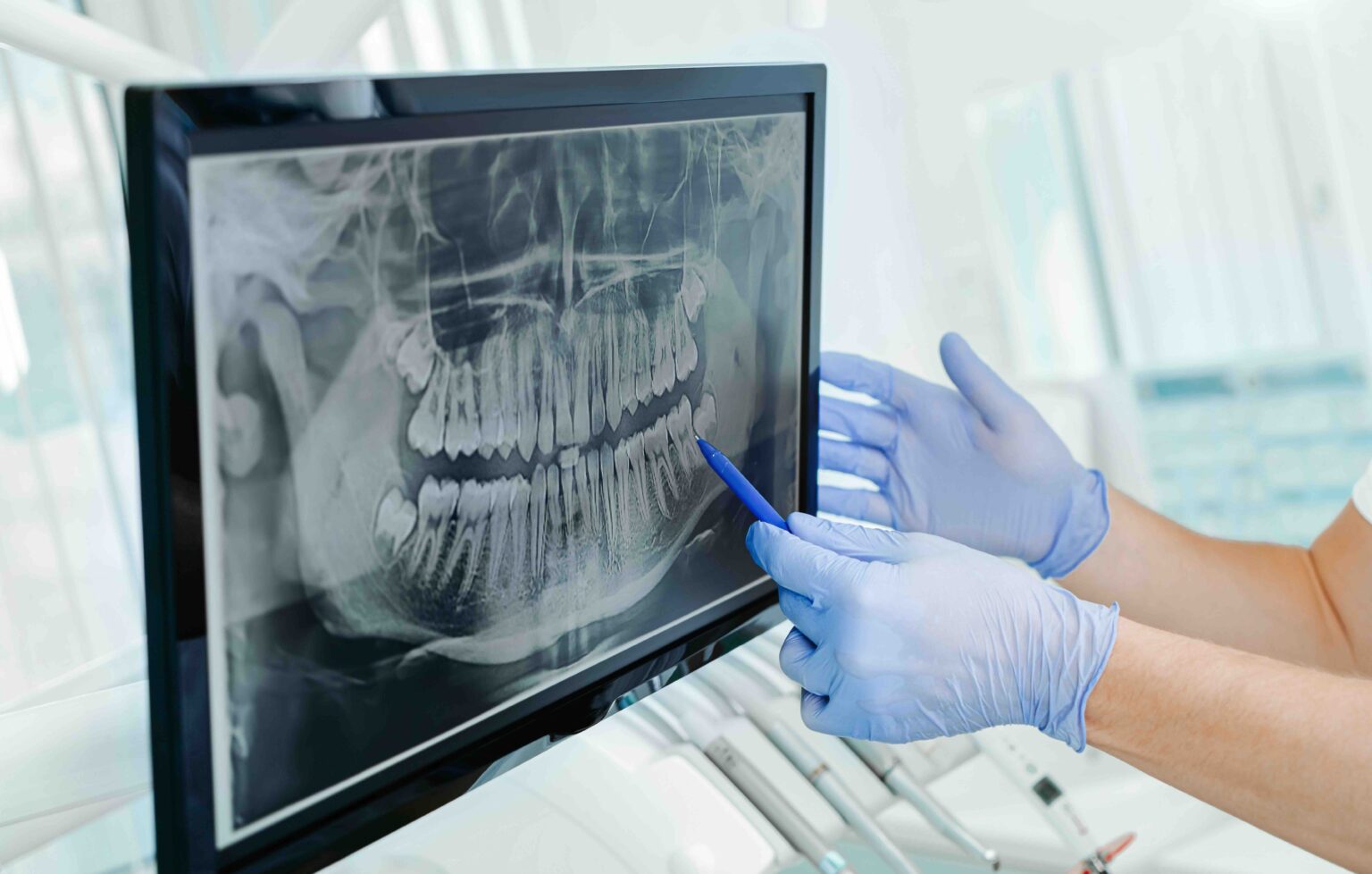

A root canal has an image problem. Many patients still walk into a consultation expecting a painful, drawn-out experience, even though modern endodontic care is usually far more comfortable and predictable than they imagine. In a place like Beverly Hills, where people often pay close attention to appearance, health, and longevity, that misunderstanding can delay treatment that would otherwise save a natural tooth.
The real purpose of root canal therapy is simple. It removes infection or inflamed tissue from inside the tooth, disinfects the canal system, and seals the space so the tooth can stay in service. When the procedure is done carefully and at the right time, it can preserve chewing function, protect neighboring teeth, and help a patient avoid the cascade of problems that often follows an extraction.
The phrase Root Canal Beverly Hills often brings to mind a high standard of care, advanced imaging, cosmetic concerns, and patients who want precision rather than a quick fix. That expectation is reasonable. Teeth in the visible zone need both biological success and aesthetic planning, especially when the final restoration must blend with natural enamel, support a smile line, and withstand years of use.
Why saving the natural tooth matters
There is a tendency in some corners of dentistry to talk about treatment options as if they are interchangeable. They are not. A healthy natural tooth, even one that needs endodontic therapy, still offers advantages that no artificial replacement fully replicates. The periodontal ligament, the tiny shock-absorbing attachment between tooth and bone, provides sensory feedback that helps with bite force and chewing control. Once a tooth is removed, that subtle system is gone.
Extraction has its place. Some teeth are too fractured, too decayed, or too structurally compromised to save. But when a tooth can be preserved with a well-executed root canal and a proper restoration, that option often deserves serious consideration. Over the years, many clinicians have seen the same pattern: patients who save a strategic tooth early often avoid more complex restorative work later.
A back molar is a good example. If it is removed and not replaced promptly, the opposing tooth may over-erupt, nearby teeth may drift, and the bite can begin to change in ways that are slow but significant. By contrast, a root canal followed by a well-fitted crown can keep that tooth functioning for many years. The less dentistry a patient needs over a lifetime, the better.
What is actually happening inside the tooth
Every tooth contains a pulp chamber and root canals. These spaces hold soft tissue that includes nerves, blood vessels, and connective tissue. When the pulp is healthy, the tooth develops normally and remains nourished internally. Once a tooth is fully formed, however, it can continue functioning even after the pulp is removed, provided the surrounding structures stay healthy and the tooth is restored properly.
Problems start when bacteria gain access to the pulp. Deep decay is a common route. Cracks, leaking old fillings, repeated dental procedures, trauma, and advanced wear can also expose the pulp or trigger inflammation. Sometimes the process is dramatic, with severe pain and swelling. Sometimes it is quiet. A tooth may have a dying nerve with very little pain at all, yet the infection can still spread into the bone around the root tip.
That is why diagnosis matters. Pain alone is not a reliable guide. Some teeth that ache intensely do not need root canal treatment. Others that appear calm on the surface absolutely do.
Signs that a tooth may need a root canal
Patients often ask whether they will "know" if they need one. Sometimes yes, sometimes no. Certain symptoms raise concern, but they must be interpreted alongside an exam, pulp testing, and radiographs.
- lingering sensitivity to hot or cold, especially when it lasts well after the stimulus is gone
- pain when biting or chewing
- spontaneous throbbing, often worse at night
- swelling in the gum, face, or around a specific tooth
- discoloration of a tooth after trauma or long-standing pulp damage
One patient may feel a sharp jolt with cold coffee and dismiss it for months, only to learn that the pulp has become irreversibly inflamed. Another may notice a small pimple on the gum that drains off and on without much pain. That small bump can represent a chronic infection escaping through bone and soft tissue. The absence of dramatic pain does not mean the tooth is healthy.
Diagnosis is more nuanced than most people expect
A proper diagnosis is a blend of conversation, testing, imaging, and clinical judgment. A dentist usually starts by asking when the problem began, whether temperature triggers symptoms, whether biting hurts, and whether the pain radiates. Those details matter. Reversible sensitivity, a cracked cusp, sinus pressure, clenching, gum disease, and true pulpal infection can mimic one another.
Cold testing helps assess whether the pulp responds normally, excessively, or not at all. Percussion testing, where the tooth is gently tapped, can reveal inflammation in the ligament around the root. Bite tests may expose a crack. Radiographs can show deep decay, failed restorations, widened ligament spaces, bone loss around the apex, or past treatment concerns. In more complex cases, three-dimensional imaging may help identify hidden anatomy, missed canals, perforations, fractures, or the extent of infection.
This is one reason patients seeking Root Canal Beverly Hills care often look for a practice that combines technical experience with careful diagnostic work. The procedure itself matters, but selecting the right tooth for treatment, confirming restorability, and planning the sequence with the restorative dentist matter just as much.
What the procedure feels like today
The fear many people carry comes from stories that are decades out of date. Modern root canal therapy is typically comparable to having a filling placed, at least from a comfort standpoint. Local anesthesia is usually very effective, especially when the diagnosis is clear and the clinician adjusts the technique to the level of inflammation.
Once the tooth is numb, the dentist isolates it with a rubber dam. This thin barrier is one of the quiet markers of quality care. It keeps saliva and bacteria away from the tooth, improves visibility, and prevents instruments or irrigants from entering the mouth. From there, the dentist creates access into the pulp chamber, locates the canals, removes diseased tissue, shapes the canals with small instruments, disinfects the system, and seals it with a filling material designed for endodontic use.
A straightforward front tooth may be treated relatively quickly. A molar with curved or calcified canals can take much longer. Anatomy is rarely as simple as textbook diagrams suggest. Upper first molars, for example, often hide an additional canal that can be easy to miss without magnification, experience, and patience. That detail matters because untreated anatomy is a common reason for persistent infection.
Patients are often surprised by how uneventful the appointment feels. They may hear the handpiece, notice irrigation, and feel some pressure, but not sharp pain. Mild soreness afterward is common, especially if the tooth was already inflamed or infected before treatment. That discomfort is usually manageable with routine measures and settles over a few days.
Precision care means more than newer equipment
Technology can help, but it does not replace judgment. A technically precise root canal depends on several small decisions done well, repeatedly, from diagnosis through restoration. Magnification improves the chance of finding narrow canals and detecting tiny fractures. Electronic apex locators help estimate canal length with accuracy. Modern nickel-titanium instruments allow more controlled shaping. Digital radiographs improve workflow and lower radiation exposure compared with older systems. Cone beam CT can be invaluable in select cases.
Even with these tools, the fundamentals remain human. The dentist must understand when a tooth is salvageable, when a crack changes the prognosis, how to manage severe infection, and when referral to an endodontist is the smarter course. A highly calcified lower incisor and a recently traumatized central incisor may both need root canal therapy, but they present very different technical challenges.
In Beverly Hills, cosmetic outcomes often sit side by side with functional goals. A front tooth that darkened after trauma may need not only endodontic treatment but also a broader aesthetic plan. That plan could involve internal bleaching in some cases, a veneer in others, or a crown when structural support is inadequate. Precision care means seeing the tooth in context, not treating the canal in isolation.
The role of the final restoration
A successful root canal is only half the story. Once the inside of the tooth is treated, the outside must be restored in a way that seals the tooth and protects it from fracture. This is where many otherwise successful cases fail. If the temporary filling is left too long, if the crown is delayed, or if the tooth has too little remaining structure, bacteria can leak back in or the tooth can crack under chewing forces.
Back teeth usually need cuspal coverage, often a crown, because they absorb heavy loading. Front teeth may sometimes be restored more conservatively if enough enamel and dentin remain. The choice depends on how much tooth structure has been lost to decay, previous restorations, trauma, and access preparation.
There is a practical point here that patients appreciate when it is explained clearly: root canal therapy does not make a tooth "dead" in the way people often mean. It is better to think of it as internally cleaned and sealed, but still very much dependent on external protection. Root Canal Beverly Hills dentalgroupbh.com A brittle, heavily restored molar can fail not because the root canal failed, but because the tooth fractured later.
When an extraction may be the better option
Not every tooth should be saved. Experienced dentists know the difference between heroic treatment and sound treatment. If decay extends too far below the gumline, if a vertical root fracture is present, if severe periodontal breakdown has destroyed support, or if the remaining tooth cannot hold a predictable restoration, extraction may be more honest and more cost-effective.
This is especially important in a setting where patients may feel pressure to preserve every tooth at any cost. Precision care includes restraint. A root canal on a hopeless tooth is not conservative, it is postponement. The better conversation asks what will serve the patient five and ten years from now, not just what can be done this week.
That said, prognosis is not always black and white. A tooth with a large cavity can still be restorable. A previously treated tooth with recurrent infection may respond well to retreatment or apical surgery in selected cases. These are judgment calls, and they benefit from a candid discussion of risks, timeline, and expected longevity.
Recovery and what patients should expect
Most people return to work the same day or the next day, especially after a routine procedure. The sensation afterward is usually soreness to biting, not the deep nerve pain that led them in. If the tooth had a significant abscess or the surrounding ligament was inflamed, tenderness may last a bit longer.
The first few days are less about drama and more about common sense. Patients do best when they protect the tooth until the final restoration is placed and pay attention to any unusual change in symptoms.
- chew on the other side if the tooth has only a temporary filling
- take recommended pain relief as directed by the treating dentist
- keep the area clean with gentle brushing and normal oral hygiene
- return promptly for the permanent restoration
- call the office if swelling, fever, or escalating pain develops
A small amount of discomfort is expected. Progressive swelling, difficulty biting that worsens rather than improves, or a temporary filling that comes out should be addressed quickly. Follow-through is part of treatment, not an optional extra.
Root canals, retreatment, and second chances
A root canal can fail, though many last for years or decades. When failure happens, the cause is often traceable. Hidden anatomy may have been missed. The original infection may have been unusually extensive. The coronal seal may have broken down. A crack may have developed later. Sometimes a post or crown complicates access for retreatment, making the decision more technical.
Retreatment can be an excellent option in the right case. The previous filling materials are removed, the canals are re-cleaned and reshaped, and overlooked anatomy may be addressed. In other cases, endodontic surgery near the root tip may be considered if conventional retreatment is not practical. The key is careful case selection. A second procedure should improve the prognosis, not simply repeat the first one.
This is another area where patients looking for Root Canal Beverly Hills care often benefit from a practice that collaborates well across disciplines. Endodontics, restorative dentistry, and sometimes periodontics intersect here. The best outcomes usually come from coordinated planning rather than isolated decision-making.
Cost, value, and the long view
Patients understandably compare the cost of a root canal and crown with extraction. On paper, removing a tooth may look simpler. In practice, the full replacement pathway can be more involved. If the extracted tooth should be replaced with an implant, bridge, or partial denture, the total cost and treatment time often rise significantly. There is also the biological cost of losing the natural tooth.
That does not mean root canal therapy is always cheaper or always better. A heavily compromised tooth with a doubtful prognosis may consume resources that would be better spent on a more durable replacement. But in many common scenarios, preserving a restorable tooth is the more efficient and biologically conservative choice.
Patients appreciate transparency here. They do not need a sales pitch. They need a realistic discussion of the likely lifespan of each option, what maintenance will be required, and how the choice affects adjacent teeth and the bite.
Choosing the right provider in Beverly Hills
Location alone does not guarantee quality, but standards do vary, and complex endodontic care rewards training and meticulous technique. When evaluating a provider, patients should look for thoughtful diagnostics, a willingness to explain the prognosis plainly, and a clear plan for the final restoration. Comfort matters too. Anxiety is common, and a calm, organized office can make a meaningful difference.
The best clinicians rarely promise perfection. They explain anatomy, discuss limits, and make room for uncertainty when uncertainty is honest. If a tooth has a guarded prognosis because of a deep crack or extensive prior work, saying so is a sign of professionalism, not pessimism.
For visible teeth, aesthetic planning deserves special attention. The shape, translucency, and color of a final crown or veneer matter in a place where patients are often highly attuned to appearance. For molars, function and fracture resistance tend to dominate. Good care recognizes the difference.
A conservative procedure with lasting benefits
Root canal therapy remains one of the most useful tooth-saving procedures in dentistry. Done well, it relieves pain, removes infection, and preserves structure that would otherwise be lost. Its value is not only in solving an immediate problem, but in protecting the broader architecture of the mouth.
That is the central promise behind high-quality Root Canal Beverly Hills care: not glamour, not hype, but precision. The goal is to keep a natural tooth functioning comfortably Root Canal Beverly Hills and looking right, while minimizing future complications. For patients facing the choice between living with pain, losing a tooth, or treating it properly, that kind of precision can make all the difference.
Dental Group of Beverly Hills
8641 Wilshire Blvd, Suite 125
Beverly Hills, CA 90211
(310) 361-2835
FAQ About Root Canal Beverly Hills
What are the signs you need a root canal?
Persistent pain, lingering temperature sensitivity, or swelling can have several causes. A dentist can examine the tooth and decide whether root canal treatment is appropriate.
How much does a root canal usually cost in Beverly Hills CA?
Cost varies by tooth, complexity, insurance, and whether a permanent restoration is needed. Request an itemized estimate.
How long do root canals last?
A treated tooth can last many years with a suitable restoration and regular dental care. Its outlook depends on tooth condition, the seal, and follow-up care.