How an Emergency Dentist Beverly Hills Restores Smiles After Accidents

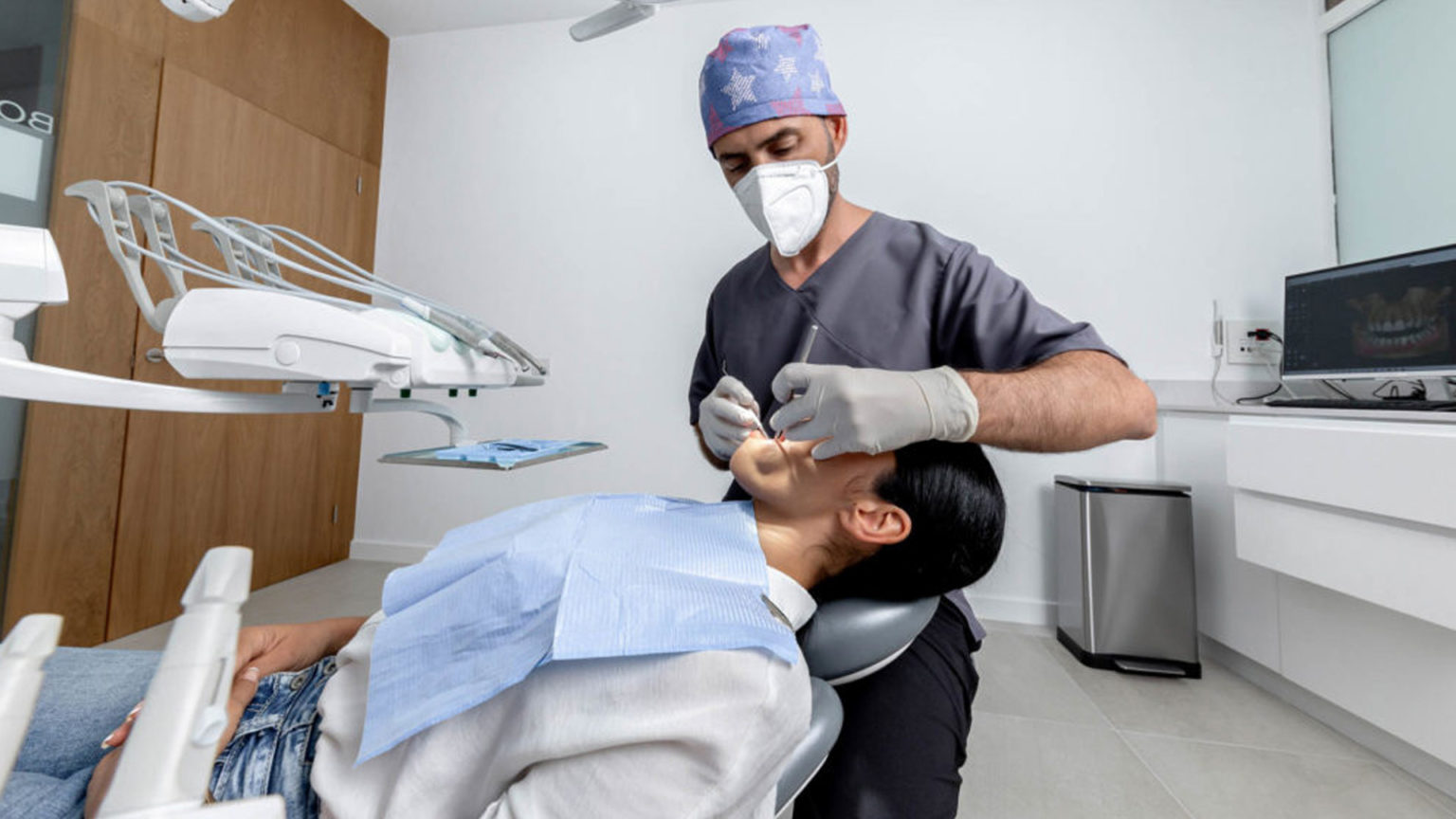
A dental accident has a way of changing the mood in a room instantly. One minute someone is finishing lunch, stepping off a curb, or playing a weekend sport. The next, there is blood, pain, a chipped front tooth in a tissue, and a level of panic that makes even calm people lose focus. In those moments, speed matters, but so does judgment. Not every broken tooth needs the same response, and not every injury can be solved with a quick cosmetic patch.
That is where an experienced Emergency Dentist Beverly Hills becomes essential. Emergency dental care after an accident is not simply about stopping pain. It is about preserving living tissue, protecting the bite, preventing infection, and rebuilding a smile in a way that still looks natural months and years later. When care is prompt and well planned, even severe injuries can often be managed with impressive results. When treatment is delayed, problems multiply quickly.
The public often thinks of dentistry in separate boxes. Cosmetic work belongs in one box, oral surgery in another, routine cleanings somewhere else. Trauma does not respect those categories. A single fall can create a cracked molar, a displaced front tooth, a lacerated lip, jaw soreness, and a shaken sense of confidence. Restoring that kind of damage requires both technical range and practical restraint. The best emergency dentists know when to move fast, when to stabilize first, and when a conservative approach gives the patient the best long-term outcome.
What “restoring a smile” really means after an accident
People usually picture the visible part first. A smile has been damaged, so restoring it must mean fixing what shows in photos. That is part of the job, especially in a place like Beverly Hills where patients often care deeply about aesthetics and expect refined, natural-looking results. But visible repair is only one layer.
A smile rests on structure. Teeth need sound roots or stable replacements. The bite has to meet properly, or even a beautifully repaired tooth may fracture again. Gums need to heal around the restoration. Nerves have to be evaluated because a tooth that looks fine the day after an impact may later darken or die if the pulp was injured. The surrounding bone matters too. A tooth can appear merely “pushed back” when the real issue is damage to the socket.
In practice, restoring a smile after trauma means handling three goals at once. First, relieve acute pain and control immediate damage. Second, preserve as much natural tooth and tissue as possible. Third, rebuild function and appearance with an eye toward durability. Missing any one of those steps can compromise the others.
A patient who comes in with a fractured front tooth, for example, may need the sharp edges smoothed that day simply to protect the tongue and lip. If the fracture reaches the nerve, the emergency visit may also involve pulp protection or root canal treatment. Later, the tooth might need bonding, a veneer, or a crown that matches the surrounding enamel so closely that the repair disappears. The sequence matters. Skilled emergency care is often staged, not rushed.
The first hour after a dental accident
The period immediately after an accident is more important than most people realize. Some of the best outcomes in dental trauma come from ordinary people doing a few simple things correctly before they even reach the office.
For a knocked-out permanent tooth, timing can make the difference between saving the natural tooth and losing it. If the tooth is found, it should be handled by the crown, not the root. If it is dirty, it can be rinsed gently with milk or saline. Scrubbing it or letting it dry out can damage the root surface cells that are critical for reattachment. In some cases, the tooth can be placed back in the socket right away. If that is not possible, storing it in milk or a tooth preservation solution is far better than wrapping it dry in paper or tissue.
Bleeding, swelling, and pain often distract from the bigger issue. People focus on the lip cut because they can see the blood, while the more serious problem is a tooth that has been intruded into the bone or loosened from its socket. For that reason, early examination matters even when damage appears minor. Hairline cracks, root fractures, and bite changes are easy to miss at home.
A good emergency dentist also asks about how the accident happened. That history matters. A face-first fall onto concrete raises different concerns than biting down on an olive pit. A sports collision may suggest soft tissue injury or jaw strain beyond the broken tooth. A car accident raises the possibility of more diffuse trauma. Treatment begins with listening.
The injuries emergency dentists treat most often
Dental accidents do not all look dramatic. Some are obvious, others deceptive. Over the years, a consistent pattern appears in emergency practice. The same categories come up again and again, each with its own treatment path.
- Chipped or fractured teeth, ranging from superficial enamel loss to deep breaks that expose the nerve
- Teeth that are loosened, displaced, or pushed deeper into the socket after impact
- Knocked-out permanent teeth that may be saved if handled and replanted quickly
- Soft tissue injuries to the lips, cheeks, gums, and tongue, often with embedded tooth fragments
- Cracks and bite injuries that hurt mainly when chewing, even when the tooth looks intact
A minor enamel chip may need only polishing or bonding. A larger fracture can call for root canal treatment and a crown. A luxated tooth, meaning one that has been moved but not lost, might be gently repositioned and splinted to neighboring teeth while the supporting tissues heal. The details depend on the age of the patient, the stage of root development, the force of impact, and whether the tooth remains vital after injury.
Primary teeth, meaning baby teeth, complicate things in children. Parents naturally want every tooth “saved,” but aggressive treatment on a badly injured baby tooth can sometimes do more harm than good if it threatens the developing permanent tooth underneath. That is one of those moments where experience matters more than speed alone. Restraint is a form of expertise.
Why diagnosis comes before cosmetic repair
One of the most common misconceptions after an accident is the idea that if the tooth can be made to look whole again, the problem has been solved. In reality, cosmetic repair without proper trauma assessment can fail quickly or even hide developing complications.
A tooth can fracture in more than one plane. What looks like a chip on the front may extend through the side or below the gum line. A tooth that feels “a little loose” may have ligament damage requiring stabilization. A patient may also have bone tenderness or a subtle occlusal shift, meaning the upper and lower teeth no longer meet correctly. If the bite is off and that issue is ignored, the restored tooth will take abnormal force every time the patient chews.
Modern imaging helps, but a careful exam still drives good decision-making. Dentists check mobility, percussion sensitivity, soft tissue injuries, and bite relationships. They look for embedded fragments in the lip. They evaluate pulp response, while also remembering that immediate nerve testing after trauma can be unreliable. A tooth that does not respond normally on Emergency Dentist Beverly Hills day one is not automatically beyond saving. Follow-up is part of trauma care.
That is one reason emergency dentists often tell patients that the first visit is the beginning of treatment, not the end. Stabilization today may be followed by reassessment in two weeks, then again in six to eight weeks, and later if the tooth remains at risk. Trauma has a delayed dimension that routine dental issues often do not.
How emergency treatment is actually delivered
When patients are in pain, clinical priorities become clear very quickly. The first job is to make the mouth safe and tolerable. That can mean numbing exposed dentin, smoothing jagged enamel, rinsing debris from wounds, suturing a torn lip, repositioning a displaced tooth, or prescribing medication when appropriate. Relief is not an afterthought. It allows everything else to proceed.
After immediate stabilization, the dentist decides whether the tooth can be conserved as is, reinforced, endodontically treated, or replaced. This is where a professional’s judgment becomes visible. A small fracture on a front tooth in a teenager may be best treated with conservative composite bonding because it preserves structure and can be modified as the patient grows. The same-looking fracture in an adult with a heavy bite and extensive previous restorations may last better with a different plan.
For more serious injuries, splinting is common. A flexible splint can hold a traumatized tooth in a more ideal position while the periodontal ligament heals. Splints are not meant to be permanent braces. They are temporary stabilizers, usually used for a defined healing period. Too rigid a splint or leaving it in too long can create its own problems.
Root canal treatment is another area where timing matters. Some injured teeth need it immediately, particularly when the pulp is clearly exposed or the tooth has been avulsed and replanted in certain circumstances. Others are better monitored. Performing treatment too early on every traumatized tooth would be overtreatment. Waiting too long on a tooth that is becoming necrotic risks infection and root resorption. This is not guesswork. It is a matter of informed monitoring based on the type of trauma and the tooth’s response over time.
The artistry behind rebuilding front teeth
Accidents tend to involve front teeth because they take the brunt of falls, sports impacts, and sudden collisions. Those teeth create the most emotional distress because even a small chip can alter a person’s expression. Repairing them well requires more than matching “white to white.”
Natural enamel is translucent. It reflects light differently near the edge than near the gum. Most front teeth are not one uniform shade. They have subtle internal character, slight asymmetry, texture, and contour that become obvious when a repair is too flat, too opaque, or too bright. Patients often cannot name what looks wrong, but they sense it immediately.
An accomplished emergency dentist in Beverly Hills understands those expectations. In a community where people are photographed often, work in front teeth has to disappear into the smile. Composite bonding can produce excellent same-day results in the right hands, especially for chips and moderate fractures. When the damage is larger or older repairs have failed repeatedly, porcelain veneers or crowns may offer more predictability. The choice depends on how much healthy tooth remains, the patient’s bite, age, and aesthetic goals.
There is also an emotional layer to front tooth trauma that clinicians ignore at their peril. People may seem disproportionately upset over what a dentist might classify as a moderate fracture. That reaction is not vanity. A smile is tied to speech, expression, confidence, work, and identity. Restoring it is partly technical and partly psychological. Patients relax when they understand the plan and can picture a path back to normal.
When saving the natural tooth is possible, and when it is not
Dentists are trained to preserve natural teeth whenever the prognosis justifies it. That principle matters even more after accidents because patients are often making decisions under stress. There is a temptation to leap from severe damage straight to extraction and replacement. Sometimes that is correct. Often, it is premature.
Many traumatized teeth can function well for years after repositioning, splinting, root canal treatment, and proper restoration. Even teeth with significant crown fractures may be salvageable if the root and surrounding bone are sound. On the other hand, a root fracture in an unfavorable location, extensive vertical cracking, or non-restorable subgingival destruction may make extraction the wiser choice.
This is where transparent discussion becomes critical. The right answer is not always the one that offers the fastest cosmetic fix. An implant can be a superb replacement for a hopeless tooth, but it is not a magic eraser. It requires adequate bone, careful planning, and healing time. In younger patients whose jaws are still developing, implants may need to be delayed. Temporary solutions then become part of the strategy.
A trustworthy emergency dentist explains not just what can be done, but what should be done, given the long-term picture. Patients deserve to hear about survival rates in practical terms, likely maintenance, and how future treatment could change if a conservative effort fails later.
Aftercare often decides the final result
Patients understandably focus on the dramatic first appointment, but much of trauma recovery happens afterward. Swelling settles. Teeth either regain comfort or begin showing warning signs. Bites are tested by daily use. Soft tissues heal. This phase is less visible and just as important.
Most patients need some version of the same core guidance after an accident:
- Eat a soft diet for the period recommended, usually several days to a few weeks depending on the injury
- Keep the area clean with gentle brushing and any prescribed rinse
- Avoid testing the tooth by wiggling it or chewing on it “to see if it’s better”
- Return for follow-up visits and X-rays, even if the tooth feels normal
- Report color change, swelling, increasing pain, or a new bite shift promptly
That last point matters more than many realize. Trauma can trigger delayed pulp death, root resorption, or infection. A tooth that is stable at first can deteriorate later. Follow-up is not defensive scheduling. It is standard of care.
Nightguards may also enter the conversation, especially for patients who clench under stress. After an accident, repaired teeth can be more vulnerable to heavy parafunctional forces. Protecting the work protects the tooth.
The Beverly Hills factor, expectations and standards
Emergency dental care in Beverly Hills carries a distinct expectation profile. Patients often want immediate pain relief, naturally, but they also expect a high level of aesthetic finish and a treatment plan that respects their schedule, visibility, and professional demands. Someone who speaks publicly, works on camera, or attends frequent social events may need a temporary restoration that looks polished from day one, even if the definitive work comes later.
That does not mean rushing into permanent treatment. It means being able to stage care intelligently. A well-executed provisional restoration can protect the tooth, restore appearance, and buy time for tissues to settle before final ceramics are fabricated. In trauma cases, that Emergency Dentist Beverly Hills patience often leads to better outcomes.
An Emergency Dentist Beverly Hills also tends to coordinate readily with specialists when needed, including endodontists, oral surgeons, periodontists, and sometimes facial plastic or medical colleagues if the injury extends beyond the teeth. The best results are rarely about one heroic procedure. They come from timely intervention, good sequencing, and clean communication between providers.
Real-world scenarios that show the difference
Consider two common examples.
A young professional slips on a tile floor, fractures one central incisor, and arrives within an hour carrying the broken fragment. Because the fragment is intact and the fracture pattern is favorable, the dentist can assess the nerve, protect the exposed area, and in some cases reattach the fragment or use it to guide an exceptionally accurate repair. The patient leaves with a tooth that looks close to normal the same day. Later follow-up determines whether the pulp remains healthy.
Now consider a different case. A patient gets through a weekend after a bicycle accident assuming the tooth is only bruised because there is no obvious break. Three days later, chewing hurts and the front teeth feel “off.” Examination reveals a displaced tooth and a crack line extending more deeply than expected. Treatment is still possible, but the delay has complicated stabilization and increased the chance of later endodontic issues. The visual drama was lower, but the injury was not minor.
Those cases illustrate a point patients remember: how bad an injury looks is not always a reliable guide to how serious it is.
Choosing the right emergency dentist after an accident
When someone is searching under pressure, practical criteria help. Availability matters, but skill in trauma management matters more. A dentist who regularly handles emergencies will usually have a smoother process for urgent imaging, same-day stabilization, and short-interval follow-up. Experience with both restorative and aesthetic dentistry is especially useful for visible teeth.
Communication style also matters. After trauma, patients are frightened and often trying to make decisions while numb, swollen, or embarrassed. Clear explanations, realistic timelines, and photographs or mirrors used thoughtfully can make a difficult situation much easier to navigate. Good emergency care feels organized. The patient understands what is happening now, what may happen later, and what signs would trigger a call.
The right office also does not overpromise. Teeth injured by impact can behave unpredictably despite excellent treatment. Honest dentists say so. They explain the best-case outcome, the probable one, and the backup plan if healing does not unfold ideally. That kind of candor builds trust.
A restored smile is often a staged success
The most impressive trauma cases are rarely dramatic because of one single procedure. They are impressive because the dentist makes dozens of small, correct choices. The tooth is handled gently. The diagnosis is careful. Temporary care is secure and attractive. Follow-up is not skipped. Final restorations fit the bite and the face. Problems are anticipated rather than reacted to.
That is how smiles are restored after accidents, not by luck, not by cosmetic shortcuts, but by disciplined emergency care with an eye on the future. For patients in need of an Emergency Dentist Beverly Hills, the goal is not merely to patch visible damage and move on. It is to preserve health, function, and confidence with treatment that respects both urgency and craftsmanship.
A dental accident can feel chaotic in the moment. The right hands bring order back quickly. Pain is controlled. Risks are sorted. Options become clear. And with timely care, even a badly shaken smile can often be rebuilt so well that only the patient remembers the day it happened.
Dental Group of Beverly Hills
8641 Wilshire Blvd #125, Beverly Hills, CA 90211, United States
Phone: +1 (310) 929-6335
FAQ About Emergency Dentist Beverly Hills
What is considered to be a dental emergency?
Severe tooth pain, a knocked-out permanent tooth, a significant tooth fracture, or suspected dental infection needs prompt professional assessment. Contact a dentist to describe the problem and arrange appropriate care. Trouble breathing or swallowing, uncontrolled bleeding, or major facial injury requires immediate emergency medical attention.
How to tell if tooth pain is serious?
Pain that is severe, persistent, or accompanied by fever, facial swelling, or a bad taste should be assessed promptly by a dentist. The cause cannot be confirmed from symptoms alone. If swelling affects breathing or swallowing, call 911 or go to an emergency department.
What do I do if I have a dental emergency and no dentist?
Call a nearby dental practice that accepts urgent patients and explain your symptoms, when they began, and any recent injury. Ask about the earliest available assessment and what information to bring. For life-threatening symptoms, seek emergency medical care immediately instead of waiting for a dental appointment.