Emergency Dentist Beverly Hills: Fast Care for Damaged Dental Work

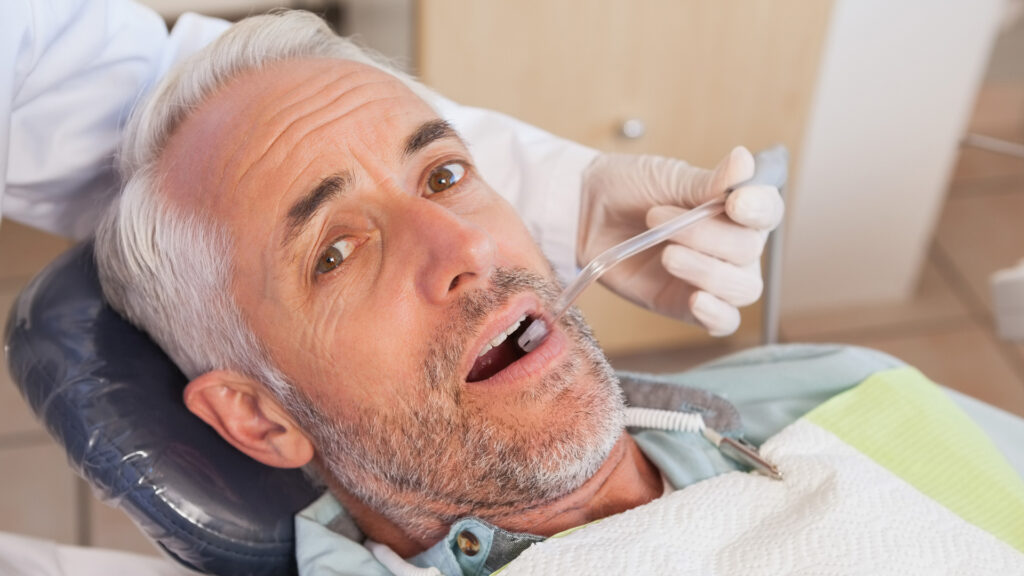

Dental emergencies are not always dramatic. Sometimes there is no visible blood, no swollen cheek, no sharp pain that sends someone running for help. Instead, the problem starts with a small click while chewing, a sudden rough edge against the tongue, or the sinking realization that a crown, veneer, bridge, or filling no longer feels secure. For patients with previous dental work, those moments can turn urgent quickly.
A damaged restoration changes more than appearance. It can expose sensitive tooth structure, alter the bite, trap bacteria, and make normal speaking or eating difficult. In a place like Beverly Hills, where many patients have invested heavily in cosmetic and restorative dentistry, the stakes are often functional and aesthetic at the same time. When a front veneer chips before a meeting, or an implant crown loosens before travel, waiting several days rarely feels acceptable. That is where an Emergency Dentist Beverly Hills practice becomes important, not just for speed, but for judgment.
Fast care sounds simple. In reality, the right emergency response depends on what failed, why it failed, and whether the underlying tooth or implant is still healthy. The best emergency treatment is not just quick, it is deliberate. A temporary fix done badly can create a bigger problem by Monday.
When damaged dental work becomes an emergency
Not every broken filling requires same-hour treatment, but many situations should be evaluated the same day or within 24 hours. The line between urgent and non-urgent is not only about pain. It is also about exposure, instability, infection risk, and the chance that a repairable restoration could become non-repairable if left alone.
A lost crown on a back molar may seem manageable if the tooth does not hurt, yet uncovered teeth can shift surprisingly fast, especially if the crown has been off for more than a day or two. A loose bridge can place torque on supporting teeth and lead to root fracture or decay under the retainers. A chipped veneer may look like a cosmetic issue, but if the edge exposes bonding layers or weakens the remaining porcelain, a small defect can spread.
There is also the issue of trauma. People often discover damaged dental work after biting unexpectedly on olive pits, ice, popcorn kernels, or hard candy. Others wake up with a fractured nightguard and a cracked filling after clenching through the night. Beverly Hills practices see another common pattern, patients who are traveling, attending events, filming, speaking publicly, or preparing for photography. In those cases, time pressure is real, but rushed cosmetic choices can backfire unless the dentist is experienced in emergency triage.
The restorations that fail most often
In day-to-day emergency care, several types of dental work show up repeatedly. Crowns and fillings are among the most common, largely because so many people have them. Cement can wash out, decay can form underneath, or the tooth can fracture while the restoration stays intact. Veneers also chip or debond, particularly if they were placed many years ago or if the patient has a history of grinding. Bonding on front teeth can snap off after biting into a sandwich, using teeth to open packaging, or after a minor fall.
Implant crowns present a different kind of emergency. Sometimes the implant itself is stable, but the crown feels loose because the screw has backed out. Other times, the issue is fracture of the porcelain or wear in the bite. Distinguishing between a loose crown and a failing implant matters enormously, because the treatment path is completely different. One can often be corrected quickly. The other may require imaging, tissue evaluation, and a more cautious plan.
Dentures and partials also break more often than many patients expect. A hairline crack in acrylic can suddenly become a complete split during lunch. Clasps on partial dentures bend or snap. While these problems are not always medically dangerous, they can leave people unable to function comfortably, especially older adults who rely on the prosthesis for daily eating and speech.
What an emergency dentist looks for first
An experienced emergency dentist does not focus only on the piece that broke. The first question is whether the damage is isolated to the restoration or whether the underlying structure has been compromised. Those are very different emergencies.
If a crown comes off cleanly and the tooth underneath is intact, the appointment may be relatively straightforward. If the crown came off because the remaining tooth fractured at the gumline, the solution may shift from recementing to core build-up, a new crown, or in severe cases, extraction and replacement planning. The same logic applies to veneers. A debonded veneer with healthy enamel may be reattached or remade conservatively. A veneer that came off along with tooth structure requires a deeper discussion.
Bite analysis matters more than patients often realize. Recurrent breakage usually points to force. A dentist may see clues immediately: flattened cusps, craze lines, worn edges, a history of clenching, or a restoration that was never designed to handle the load placed on it. Emergency treatment without addressing force is often temporary by default.
Soft tissue and nerve symptoms also guide decisions. If the area is swollen, throbbing, or temperature-sensitive, the dentist has to rule out pulpal inflammation, abscess, or vertical root fracture. A restoration may be the visible casualty while the true problem is deeper.
Why speed matters, but not at the expense of precision
Patients seeking an Emergency Dentist Beverly Hills office usually want one thing first, immediate relief. That is entirely reasonable. Yet the fastest procedure is not always the safest one, especially when damaged dental work involves cosmetic materials or complex restorations.
Take a front veneer fracture. A hurried patch with mismatched composite may be enough to get through an evening event, but if the shade, translucency, or edge shape is handled poorly, the temporary fix can become socially more stressful than the original chip. On the other hand, insisting on a perfect definitive porcelain remake in a single rushed visit may lead to poor bonding conditions, tissue irritation, or bite errors. The better course is often a staged approach: stabilize, protect, improve appearance, then finalize once the tooth and bite can be assessed properly.
The same principle applies to crowns. Recementing a loose crown without checking for decay, margin integrity, occlusion, and fit might buy a week or a month, but it can also mask a problem until the tooth breaks beyond repair. Good emergency care balances urgency with restraint. It solves the immediate problem while preserving the best long-term options.
What happens during the visit
The appointment usually begins with a focused history. The dentist will want to know when the restoration failed, whether there was trauma, what symptoms are present, and whether the piece was saved. If a patient brings in the crown, veneer fragment, or broken denture section, that can be surprisingly helpful. Sometimes it changes the plan from replacement to repair.
Examination is then paired with imaging when appropriate. Not every lost filling needs an X-ray, but many crown failures, implant issues, and painful fractures do. Photographs are also useful, especially for cosmetic restorations where shape and shade matching matter.
After diagnosis, the visit generally moves into one of several paths. The restoration may be repaired. It may be recemented. It may need to be replaced with a temporary. Or the tooth may require additional treatment, such as root canal therapy, build-up, or extraction planning. The important point is that emergency treatment is often a first phase, not the entire journey.
When the damaged work sits in the smile zone, aesthetics are handled with extra care. Patients in Beverly Hills are often highly attuned to symmetry, polish, and color. That is not vanity, it is reality. A front tooth restoration affects confidence, speech, photos, and public-facing work. A skilled emergency dentist respects that without making promises that biology cannot support in a single rushed session.
Temporary fixes at home, and where people get into trouble
There are a few practical things patients can do before they are seen, and a few that consistently make matters worse. If a crown has come off, storing it safely and bringing it to the office is smart. Keeping the area clean with gentle rinsing helps. If a sharp edge is cutting the tongue or cheek, dental wax from a pharmacy can provide short-term protection. Soft foods and chewing on the opposite side are sensible precautions.
The problems start when people reach for household glue, online repair kits, or forceful reinsertion. Superglue has no place in the mouth. It can damage soft tissue, distort the fit of the restoration, and complicate proper bonding later. Patients also sometimes try to “test” a loose implant crown by twisting it. That can turn a minor screw issue into a damaged connection.
A practical same-day self-care approach looks like this:
- Save the broken or loose piece if you can find it.
- Rinse gently with water, keep the area clean, and avoid sticky or hard foods.
- Use dental wax for sharp edges, not glue or hardware-store adhesives.
- Take over-the-counter pain medication only as directed, if needed.
- Call an emergency dental office promptly, especially if there is swelling, bleeding, or bite changes.
That short window before treatment matters. Teeth can migrate, irritated pulp can worsen, and soft tissues can become more inflamed around rough or unstable restorations.
Crowns, veneers, and fillings each fail in their own way
Crowns are often salvageable, but not always. If the crown itself is intact and the tooth preparation is sound, recementation may be possible. Still, recurrent crown loss usually signals something more than “weak glue.” It may reflect decay, an overly short tooth preparation, cement breakdown from years of use, or heavy occlusal forces. In those cases, the truly durable solution may be a new crown with changes to retention design or bite management.
Veneers require a more delicate eye. Not every chip means the veneer has to be replaced. Small edge chips can sometimes be polished or bonded beautifully if the material, location, and smile line allow it. Large fractures, however, especially those involving visible translucency and light reflection, often look better when remade rather than patched. Patients appreciate honesty here. A quick repair can be lifesaving before an event, but it should be framed for what it is.
Fillings fail frequently because they sit at the crossroads of function and biology. Recurrent decay under an old filling may present as a missing chunk that felt sudden, even though the weakness developed slowly. Composite fillings on heavily loaded molars can crack in patients who grind. Large silver fillings sometimes leave surrounding tooth walls vulnerable, so what appears to be a “lost filling” is actually a fractured cusp. Those details matter because replacing like-for-like is not always best. Sometimes the emergency visit reveals that the tooth has outgrown the filling phase and now needs cuspal coverage.
Implant-related emergencies need a careful hand
Implant dentistry has a reputation for durability, and rightly so, but implants are not immune to urgent problems. The most common emergency is a loose implant crown or abutment screw. Patients often describe the tooth as moving, though the implant fixture itself may be stable in bone. This distinction is critical. If the implant is actually mobile, that suggests a more serious failure. If only the restoration is loose, the dentist may be able to remove, inspect, clean, and retighten components after confirming the cause.
Porcelain fracture on implant crowns is another issue. Unlike natural teeth, implants do not have the same shock absorption from the periodontal ligament, so bite design matters. A crown that is too exposed to lateral stress can chip repeatedly until the occlusion is adjusted or the crown is redesigned.
Emergency dentists who treat implant complications well tend to move more cautiously than patients expect. They verify the component system, examine the connection, and avoid improvisation. That restraint protects the implant and the surrounding bone.
Pain does not always match the severity of the problem
One of the more confusing aspects of damaged dental work is that some serious issues barely hurt at first, while minor chips can feel enormous because the tongue notices every detail. A crown that traps food and causes a bad odor may indicate hidden decay with very little pain. A hairline porcelain chip can feel jagged and distracting even though it is structurally minor. Patients should not wait for severe discomfort before calling.
Temperature sensitivity after a crown or filling breaks is especially important. It may settle once the area is sealed, but it can also mean the pulp is inflamed. Bite pain on release is another clue dentists pay attention to, because it can suggest a cracked tooth pattern. Swelling, fever, or a bad taste from drainage moves the case firmly into urgent territory.
The cosmetic factor in Beverly Hills is real, and it changes the conversation
In some communities, emergency dental care centers almost entirely on pain and infection. In Beverly Hills, appearance is often part of the emergency itself. That does not diminish the legitimacy of the problem. For a trial attorney, on-camera host, actor, executive, or anyone attending a high-visibility event, visible dental damage can disrupt work and confidence immediately.
This creates a nuanced treatment environment. The emergency dentist has to think clinically and aesthetically at the same time. Shade, line angles, edge position, surface texture, and facial symmetry all matter. So does timing. A repair that looks acceptable under operatory lighting can read very differently outdoors or under studio lights. Patients who have had high-end cosmetic work often expect seamless results, and sometimes that is possible. Other times, the right answer is to create an excellent provisional and schedule definitive care under better conditions.
That is one reason many people specifically search for an Emergency Dentist Beverly Hills office rather than simply the closest provider. They are looking for someone who understands both urgency and appearance, and who knows when a temporary cosmetic measure is appropriate versus when it compromises the final outcome.
Choosing the right emergency office for damaged dental work
Not every dental emergency clinic is equally equipped for restorative or cosmetic failures. Some are excellent at pain relief and extractions but less comfortable with veneer repair, implant crown management, or detailed aesthetic temporization. Patients benefit from asking pointed questions when they call. Does the office handle same-day crown emergencies? Are implant components evaluated in-house? Can they provide a temporary aesthetic repair if a front tooth is involved? Is there access to digital imaging and, when needed, coordination with the patient’s regular dentist or specialist?
A few features tend to make a practical difference:
| What matters | Why it helps in an emergency | |---|---| | Experience with existing dental work | Faster recognition of whether a restoration can be repaired, recemented, or replaced | | Cosmetic judgment | Better temporary solutions for visible teeth | | Implant familiarity | Safer handling of loose implant crowns and components | | Same-day diagnostic capability | Quicker answers when pain, fracture, or infection is involved | | Clear follow-up planning | Prevents a temporary fix from becoming a neglected long-term problem |
A polished office matters less than a disciplined clinician. The best emergency care often comes from someone who can stay calm, explain trade-offs clearly, and resist overpromising.
Aftercare often determines whether the repair lasts
Once the immediate crisis is handled, the next phase deserves attention. Patients sometimes leave relieved and assume the problem is solved permanently, even when the dentist was explicit that the repair was interim. That misunderstanding leads to many repeat emergencies.
If the restoration was temporary, follow-up timing matters. If bite forces contributed to failure, a nightguard evaluation may be part of the real fix. If decay was discovered under a crown, definitive treatment should not be delayed simply because the tooth feels better after recementation or a temporary seal. If an implant crown loosened, the reason needs to be Emergency Dentist Beverly Hills addressed, not just the symptom.
Good aftercare also includes simple behavior changes. Avoid chewing ice. Do not use front teeth as tools. Be cautious with sticky candies, crusty bread, and popcorn if a restoration is newly repaired. If a patient clenches under stress, that pattern often needs specific management, because stress-related load can destroy otherwise excellent dentistry.
What patients should remember when something breaks
Most damaged dental work can be stabilized successfully if it is treated early and thoughtfully. The hardest cases are not always the most broken-looking ones. They are the cases that were ignored, patched at home, or treated in haste without understanding the cause.
A broken crown, chipped veneer, loose implant crown, or lost filling creates a moment of uncertainty. The right response is not panic. It is prompt evaluation by a dentist who understands restoration failure, underlying tooth structure, bite mechanics, and, when relevant, cosmetic detail. That combination is exactly what people hope to find when they search for an Emergency Dentist Beverly Hills provider.
Fast care matters. Careful judgment matters more. When both are present, even a stressful dental emergency can become a manageable detour rather than the start of a larger reconstruction.
Dental Group of Beverly Hills
8641 Wilshire Blvd #125, Beverly Hills, CA 90211, United States
Phone: +1 (310) 929-6335
FAQ About Emergency Dentist Beverly Hills
What is considered to be a dental emergency?
Severe tooth pain, a knocked-out permanent tooth, a significant tooth fracture, or suspected dental infection needs prompt professional assessment. Contact a dentist to describe the problem and arrange appropriate care. Trouble breathing or swallowing, uncontrolled bleeding, or major facial injury requires immediate emergency medical attention.
How to tell if tooth pain is serious?
Pain that is severe, persistent, or accompanied by fever, facial swelling, or a bad taste should be assessed promptly by a dentist. The cause cannot be confirmed from symptoms alone. If swelling affects breathing or swallowing, call 911 or go to an emergency department.
What do I do if I have a dental emergency and no dentist?
Call a nearby dental practice that accepts urgent patients and explain your symptoms, when they began, and any recent injury. Ask about the earliest available assessment and what information to bring. For life-threatening symptoms, seek emergency medical care immediately instead of waiting for a dental appointment.